


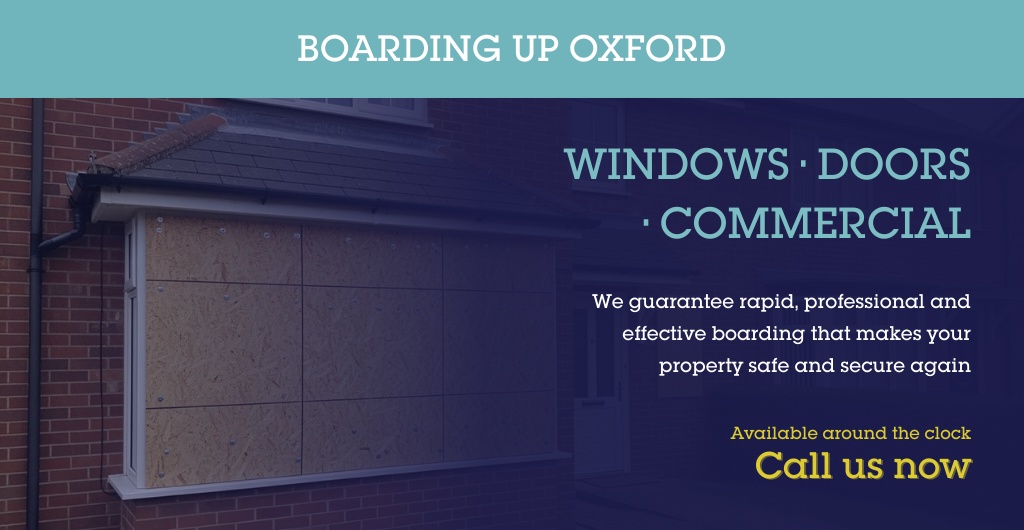
Boarding Up for Vacant Properties in Oxford (OX1–OX49)
A vacant property can go from “quiet and secure” to “a problem” very quickly. An empty house between tenancies, a probate property awaiting sale, an unoccupied shop unit, or a building mid-refurb all share the same risk: if someone forces entry or a window is broken, there may be nobody around to notice until the damage has spread.
Boarding Up Oxford provides practical, insured boarding-up and temporary security for vacant and void properties across the OX postcodes (OX1–OX49). Our technicians are DBS-checked, and we’ve been trading for 10+ years. If you need urgent help, you can reach us any time via our emergency boarding up service in Oxford and we’ll give you a realistic ETA over the phone.
When vacant properties most often need boarding up
Vacant properties aren’t only at risk of burglary. Many call-outs are about preventing a small issue becoming a large claim.
Typical situations include:
- Forced entry or attempted break-in: A damaged back door, snapped lock, kicked-in panel, or prised open window that’s now insecure. (See: securing property after burglary.)
- Vandalism: A smashed window, damaged glazing, or repeated targeting once it looks empty. (See: vandalism repairs and boarding.)
- Storm damage: Debris through a window, a dislodged panel, or a roof opening that’s letting water in. (See: storm damage boarding and roof boarding.)
- Fire damage (post-incident): Once the fire service has finished, the building may be exposed and unsafe. We secure openings; we don’t provide smoke/odour remediation. (See: fire damage securing.)
- Flood damage: Swollen frames and failed doors/windows can leave gaps or make locks unreliable—plus ventilation becomes important. (See: flood damage securing.)
- Accidental impact: Vehicle strikes to low walls, shopfront glazing, or doors, leaving a wide opening. (See: accident damage boarding.)
If you’re unsure whether boarding up is “necessary”, think in terms of exposure: if an opening can be reached from outside, it can usually be exploited—especially when the property is clearly unoccupied.
Why void and vacant properties are targeted in the Oxford area
Across Oxford and the wider OX region there’s a mix of student accommodation, private rentals, older housing stock, and commercial units. Vacant buildings can stand out quickly—post piling up, no lights, no vehicles—so opportunistic entry is a real concern.
Common local factors we see across OX postcodes include:
- Short void periods between tenancies where a property is empty just long enough to be noticed
- Refurb and renovation works with tools or materials stored inside
- Sash and older-style windows that can be more vulnerable when a pane is broken or a latch fails
- Rear access points (side alleys, gardens, shared access paths) that reduce natural surveillance
- Commercial units with large glazed sections that are expensive to replace and easy to attack
Boarding up is often the simplest way to secure property quickly and demonstrate to insurers, neighbours, managing agents, or local authority contacts that reasonable steps have been taken.
How we secure vacant properties: practical methods that suit the risk
Vacant property boarding up isn’t one-size-fits-all. The right approach depends on whether you need a quick make safe tonight, or robust temporary security while a property is being sold, refurbished, or awaiting re-letting.
Window boarding for void properties (broken, vulnerable, or missing glazing)
For most residential voids and smaller openings, we typically use:
- 18mm exterior-grade plywood for strong, reliable coverage
- 12mm OSB for smaller or lower-risk openings where appropriate
We size the board to the opening and fix it securely using methods suited to the frame condition. Where possible, we use non-destructive fixing (e.g., through-frame techniques designed to minimise damage). If the frame is too rotten, split, or already compromised, we’ll explain what’s achievable before proceeding—sometimes the “least bad” option is a secure fix that causes a little additional damage, because the alternative is leaving the property open.
If your situation is specifically a smashed or cracked window, you may want to read about window boarding in Oxford.
Door boarding up and temporary steel doors (for repeated targeting or extended voids)
A single boarded window doesn’t help if the door is weak, damaged, or already forced. For vacant properties, the door is often the main point of repeated attack—especially if the building will remain empty for weeks.
Depending on the risk and timescale, we can:
- Board up a damaged door to prevent immediate access
- Recommend and install a temporary steel door where ongoing access is needed (contractors, inspections, viewings) but you also need strong security
A steel door can be a sensible option for probate properties, repossessions, long-term voids, or any building that’s already been targeted once. See door boarding in Oxford for how this works in practice.
Shopfront boarded up for empty commercial units
Empty retail units and vacant offices can attract unwanted attention, and large panes of glazing can’t always be replaced immediately—especially out of hours or when specialist glass is required.
Where needed, we can shopfront board up using appropriately sized sheets and secure fixings that prioritise safety, public risk reduction, and resistance to removal from the outside. If you manage or own commercial premises, shopfront boarding in Oxford explains typical methods and considerations.
Roof, skylight and high-level openings (weather exposure is the bigger risk)
Vacant properties can suffer rapid deterioration if there’s a roof opening, missing tile section, or broken skylight. Even a small gap can allow water ingress that damages ceilings, electrics, and timber—especially if the building is unheated.
We handle roof-level temporary boarding and securing where safe access is possible and appropriate. Read more on roof boarding in Oxford.
What happens when you call us (and what we need from you)
When a void property is compromised, speed matters—but so does clarity. Here’s what we typically cover on the phone:
- Location and access: Confirm postcode (OX1–OX49), keyholder details, and whether we can meet on site.
- What’s happened: Forced entry, smashed window, storm damage, fire/flood/impact.
- Openings to secure: Number and approximate sizes of windows/doors, plus any roof-level issues.
- Immediate hazards: Broken glass, unstable frames, signs of water ingress, or suspected structural damage.
- Documentation needs: If this is insurance-related, we can provide itemised paperwork and supporting notes.
If safe to do so, take a few photos before we arrive—wide shots and close-ups. If there’s a crime involved, keep your police reference number.
For urgent situations, use our 24/7 emergency boarding up page to get help quickly.
Our approach on site: make safe, secure, and leave it tidy
For vacant property call-outs, our priorities are:
- Make the opening safe (reduce immediate risk to people and the public)
- Secure the property against further entry
- Reduce weather exposure where possible (without pretending boarding is a full repair)
- Leave clear evidence of what was done for insurers, agents, or property managers
Depending on the job, customers typically receive:
- Time-stamped photos of the secured openings
- An itemised invoice describing materials and fixings used
- A short work statement you can forward to insurers, landlords, or facilities teams
We’re fully insured and used to working with landlords, managing agents, and facilities managers who need straightforward documentation.
Common challenges with void properties (and how we handle them)
Vacant and void sites often create practical problems that aren’t obvious until you’re there. We plan for these as part of the job.
- No power or lighting: We work safely and methodically; we may ask you to meet us if internal access is required.
- Multiple points of entry: We’ll prioritise the most vulnerable openings first and explain what should be secured immediately versus what can wait.
- Damaged frames: If the frame won’t hold fixings securely, we’ll discuss options before proceeding.
- Repeated targeting: We may suggest stronger solutions (e.g., temporary steel door) rather than repeatedly boarding the same entrance.
- Neighbour concerns: Boarding can look alarming. We can advise on neat, professional installation to show the property is being managed.
If you’re planning longer-term protection for an empty building or site boundary, it may also be worth considering temporary fencing as part of an overall security plan.
If you’re a landlord, agent, or executor: practical steps to reduce repeat incidents
Boarding up is a strong first step, but vacant property risk is usually a combination of visibility and opportunity. Practical measures you can take alongside boarding include:
- Arrange regular visits (even brief checks help)
- Set timed lighting if safe and appropriate
- Remove obvious valuables and tools
- Secure side gates and rear access
- Keep the exterior looking “managed” (overgrown gardens and piled post can signal vacancy)
If you’re between tenancies and want a broader view of options, our residential boarding up page can help you compare approaches.
Vacant properties and insurance claims: what’s worth knowing
We’re not loss adjusters and we can’t tell you what your insurer will approve—but we can help you present a clear, well-documented claim.
If the vacant property has suffered damage:
- Contact your insurer early and ask what they need (photos, crime reference, contractor invoice)
- Don’t dispose of damaged items until the insurer has advised (especially doors/locks)
- Keep a note of when the issue was discovered and any immediate steps you took
For more detailed guidance, see our insurance claims support page. For cost-related questions, our pricing information explains what affects the total without quoting misleading fixed prices.
Coverage for vacant property boarding up across Oxfordshire and OX postcodes
We cover Oxford and surrounding areas across OX1 to OX49. That includes city areas and wider towns/villages where vacant properties are common—between lets, during probate, or while renovation work is ongoing.
If you’re looking for a local page near you, start with areas we cover. Examples of nearby coverage pages include:
If you call, we’ll confirm whether your postcode is covered and provide a realistic ETA based on current workload and conditions.
FAQs – Boarding up for vacant properties in Oxford (OX)
How quickly can you secure a vacant property in Oxford?
We prioritise urgent requests and aim to attend as quickly as possible, including out of hours. We don’t promise fixed arrival times because traffic, access, and workload vary—when you call, we’ll give you a realistic ETA.
For urgent help, use our emergency boarding up service.
Can you board up a vacant property if I’m not on site?
Often, yes—especially if there’s safe external access to the openings. For anything requiring internal access, we’ll usually need a keyholder, agent, or responsible person to meet us. If you’re arranging this as a landlord or agent, tell us what access is available when you call.
Is boarding up enough security for a long-term void property?
Boarding is effective, but if the property has been targeted repeatedly or will be empty for an extended period, you may need stronger measures—such as a temporary steel door, or longer-term screening. We’ll talk you through options once we understand the risk and how long the building will be vacant.
What’s the best option if the front door has been forced?
If the door is badly damaged, we can board up the entrance as an immediate measure, then discuss a more robust solution if needed. In many void-property cases, a temporary steel door is worth considering because it provides strong security while still allowing controlled access for inspections and works. See door boarding in Oxford.
Can you board up upstairs windows or hard-to-reach openings?
Sometimes. High-level access depends on safety, ground conditions, and the type of opening. If you can, send a photo when you contact us (or describe the height and access). For roof-level issues like skylights, see roof boarding.
I’ve had a smashed window in my empty property—what should I do first?
If there’s any immediate danger (sharp glass, people trying to enter), keep a safe distance and call the police if a crime is in progress. If it’s safe, take photos for your insurer and arrange emergency boarding to secure the property. We regularly board up broken windows on vacant properties to prevent repeat entry and weather damage—see window boarding in Oxford.
Do you cover my postcode, and do you do OX1–OX49?
Yes—our coverage is across Oxford and the OX postcode area, including OX1–OX49. If you’re unsure, call and we’ll confirm. You can also browse areas we cover to find your nearest page.
Will you provide paperwork suitable for insurers or managing agents?
Yes. We can provide clear documentation such as an itemised invoice and supporting photos. We’re fully insured and used to working with landlords, executors, agents, and facilities teams. For insurance-related guidance, see insurance claims support.
Ready to secure a vacant property? Call 01865 537 160 or email us with the address and a brief description (e.g., “board up broken window”, “board up door”, or “shopfront boarded up”) and we’ll talk you through the next steps.
